Economy Politics Country 2025-12-07T13:09:28+00:00

South Korea's exports to hit record $700B, but not without issues

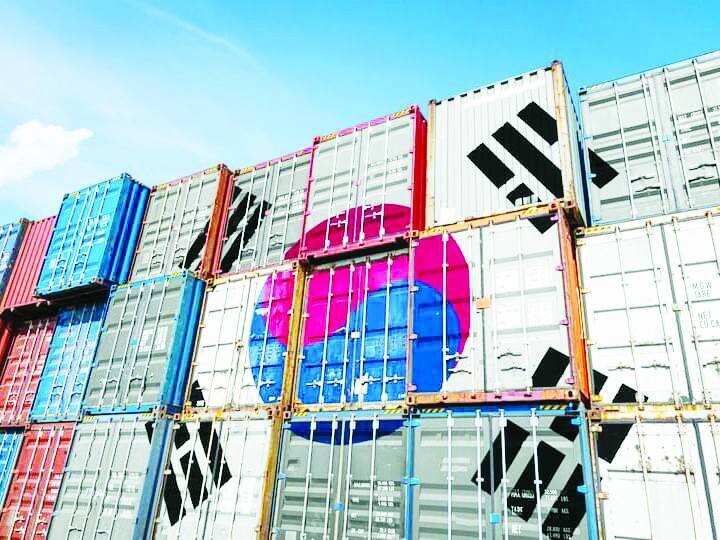
South Korea is set for a record annual export of $700 billion, yet this growth is solely driven by semiconductors, while other sectors are declining, raising concerns about economic diversification.


South Korea's exports to hit record $700B, but not without issues

South Korean data shows that the country's exports, excluding semiconductors, may contract this year, although the annual export is set to exceed $700 billion for the first time ever... The data indicates that the growth is primarily driven by semiconductors, while other sectors are facing challenges. This highlights the economy's reliance on a single key industry.

Latest news

See all news
South Korea Car Exports Expected to Decline in 2025
2025-12-07T01:34:49+00:00

South Korea Car Exports Expected to Decline in 2025

Sources in South Korea's automotive industry forecast yesterday that the country's car exports will decline in 2025 for the first time in five years, due to increased overseas production and U.S. tariffs on imports. The Korea Automobile Manufacturers Association (KAMA) estimated car exports for this year to range between 2.71 million and 2.72 million units, a decrease of 2.3% to 2.6% compared to 2.78 million units the previous year. If the forecasts hold, it will be the first annual decline since 2020, when the COVID-19 pandemic disrupted global car exports. Exports fell to 1.88 million units in 2020 from 2.4 million units the year before, then steadily recovered, rising from 2.04 million units in 2021 to 2.76 million units in 2023, according to the association's data. The expected decline this year is primarily attributed to weaker shipments to the United States, the largest overseas market for South Korean automakers. South Korea exported 2.25 million cars from January to October, with around 460,000 units expected to be shipped in the last two months of the year. Exports to the U.S. accounted for 49% of the total in the first 10 months, falling 7.9% year-on-year to 1.1 million units. This decline came after Hyundai Motor Group launched its dedicated electric vehicle plant in the U.S. in October. The group plans to increase the plant's annual production capacity from 300,000 to 500,000 units to meet domestic demand. Although the U.S. government recently reduced tariffs on South Korean cars from 25% to 15%, industry officials say tariff burdens are still expected to impact exports to the American market. "If Hyundai Motor Group raises retail prices in the U.S. to maintain profitability, it could weaken domestic demand for Hyundai and Kia cars, leading to a further drop in exports," an industry official said.