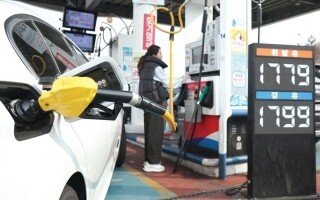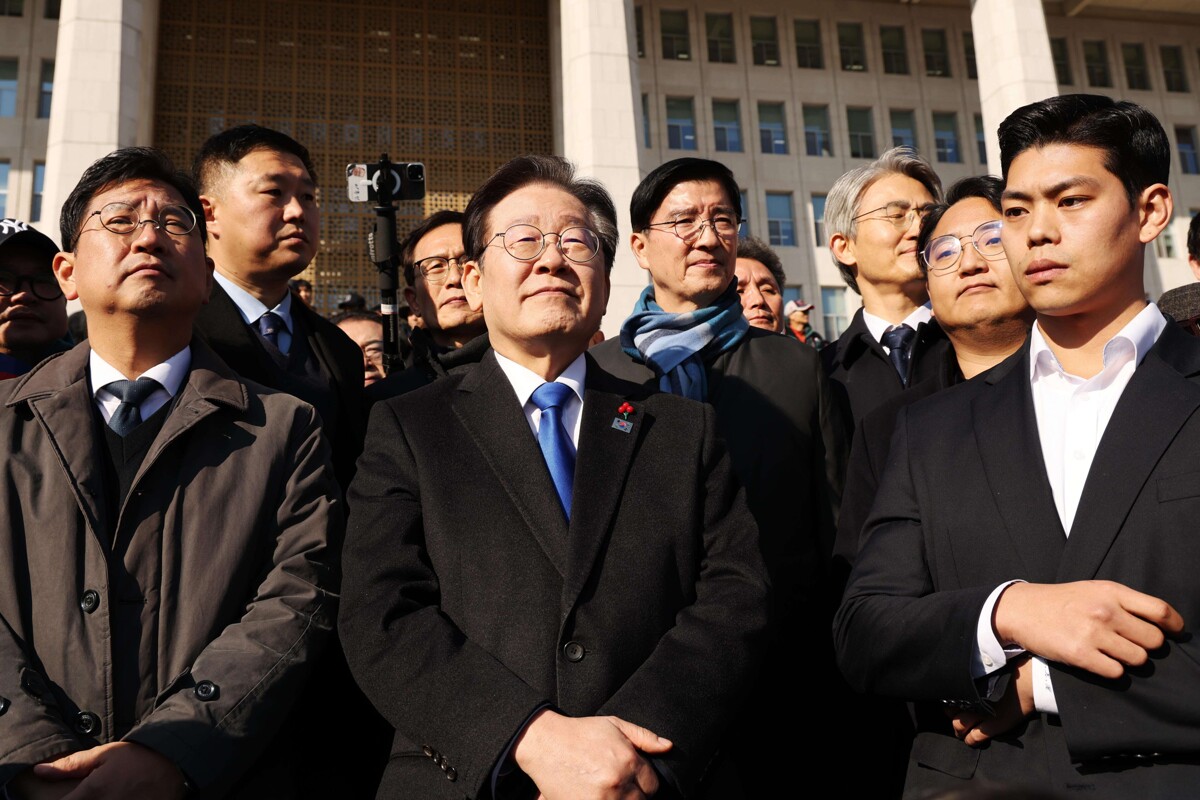
South Korean President Lee Jae-myung on Tuesday raised the possibility of imposing an economic emergency decree if the conflict in the Middle East worsens, given South Korea's heavy dependence on the region's energy supplies. "In an emergency, we could also use the economic emergency decree stipulated in the Constitution," the leader said at a cabinet meeting in Seoul. The mechanism mentioned by Lee allows the executive to adopt urgent economic measures during crises without parliamentary approval, while its last use dates back to a financial reform in 1993. "Given our high external dependence and significant reliance on the Middle East for energy supplies, even more thorough inspections and meticulous emergency measures are required," Lee added. South Korea imports about 70% of its crude oil and nearly 20% of its liquefied natural gas (LNG) from the region. In this context, the leader warned of the need to strengthen control over key raw materials "such as urea solution, helium, and aluminum," indicating that "they must be managed at a level equivalent to wartime supplies." The statements come amid growing uncertainty in global energy markets, with rising crude oil prices and supply chain risks due to blockages in the Strait of Hormuz. So far, South Korea has adopted various measures to mitigate the crisis's impact, including extending temporary fuel tax cuts and launching a temporary crude oil reserve 'swap' system with refiners on Tuesday, which will have to compensate the volumes in the future with alternative supplies. Likewise, the government has proposed a "supplementary budget to overcome the Middle East war crisis" of about 26.2 trillion won ($17.08 billion). The ruling party and the main opposition agreed yesterday to approve it by April 10.