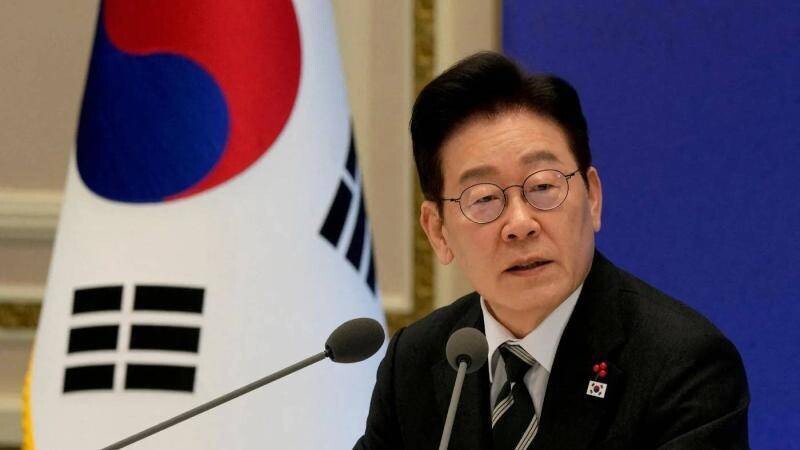
South Korean President Lee Jae-myung caused a wide international stir after reposting a video documenting grave violations by the Israeli army in the West Bank. The video, described as 'horrific', shows soldiers throwing the bodies of young Palestinian men from the roof of a house in the town of Qabatiya during a military operation conducted in September 2024, an incident that at the time sparked widespread international condemnation. President Lee began by questioning the video's authenticity and the legal measures taken, but in a later post, he confirmed the incident's accuracy. He based his stance on statements from US White House officials and John Kirby, who described the incident as 'brutal' and 'unacceptable', emphasizing that human dignity is a supreme value that cannot be compromised, and that compliance with international humanitarian law is an obligation under all circumstances. The issue moved from social media platforms to diplomatic corridors, where the Israeli Ministry of Foreign Affairs lodged a strong protest, considering the South Korean president's statements 'unacceptable'. In a direct reaction, Lee Jae-myung expressed his disappointment with the Israeli position, criticizing Tel Aviv for not considering the growing international condemnation of its human rights record. The South Korean president concluded his position with a philosophical and ethical message, arguing that historical tragedies must be a lesson for humanity to protect human rights above all principles. He called for an end to these 'new wounds' to ensure a future based on coexistence and reconciliation, reflecting a significant shift in the tone of South Korean leadership towards the conflict in the region.